Bulgarian Folk Clothing and Regional Dress Explained
Traditional Bulgarian clothing can be read as a kind of material archive. Fabric, stitching, color, and the way pieces are worn hold clues about craft, region, occasion, and the people who made them. Those clues are not a code with one universal answer. To understand a garment, it helps to ask how it was created and used rather than guessing what every motif means.
One place to begin is Bulgarian Folk Clothing and Regional Dress Explained. Think of the title as an invitation to examine details closely. Bulgarian dress traditions are varied, and a festival costume, a museum object, and clothing worn in daily life can tell different stories.
Start with the materials
Look first at the fabric and construction. How is the garment layered? Where does embroidery appear? What parts seem designed for movement or warmth? A shirt, apron, belt, outer layer, or head covering may be part of an ensemble, but the combination and decoration can differ across regions. The maker’s hand is visible in a repeated stitch, an uneven line, or a repair made to keep an item in use.
Color and pattern attract attention, yet their meaning depends on context. Some garments were associated with celebrations or community events; others reflected local materials and practical needs. Avoid assigning a single meaning to a shape or color unless a curator or maker explains it for that specific piece.
Compare clothing with other visual records
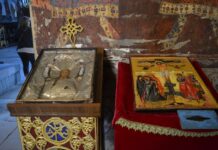
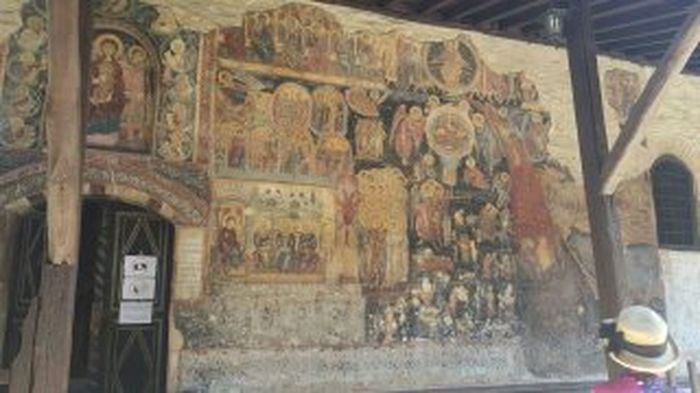
A visit with BPrivate Sofia Tours can add another form of visual heritage through Boyana Church and its medieval frescoes. Textiles and wall paintings are different art forms, but looking at them side by side can raise useful questions about craft, preservation, and how people pass skills from one generation to another.
A garment also records choices that may not be obvious from a photograph. Repairs can show how it was maintained; differences in materials may reflect climate, cost, or craft access. These are questions to ask rather than conclusions to impose. When the available information is limited, it is better to say so than to invent a single symbolic explanation.
If you are planning around a museum visit, a workshop, or a cultural event, use Contact Us before finalizing the schedule. Ask what will be available during your dates and how much time to set aside. Traditions live through people, so access and interpretation can depend on the setting.
Ask who made it
A thoughtful visitor looks beyond the display label. Who made the garment? What materials were available? Was it worn for work, celebration, or another purpose? A guide may be able to describe a particular region or object, but avoid turning one example into a rule for the whole country.
If your travels continue to Istanbul, Istanbul Tour Guide Ensar can offer a separate city-focused experience. Istanbul has its own layers of architecture and daily life; keeping that visit distinct makes comparisons more useful rather than blending different traditions together.
Leave the label open
A garment can preserve memory while also changing with the people who wear, make, and display it. That is why the most respectful approach is attentive rather than definitive. Notice the craft, ask questions, and give the object time to speak before deciding what it represents. The result is a richer view of Bulgarian regional dress and the hands that keep its traditions moving forward.